
What Is a Parcel Audit? How Companies Recover Lost Shipping Costs
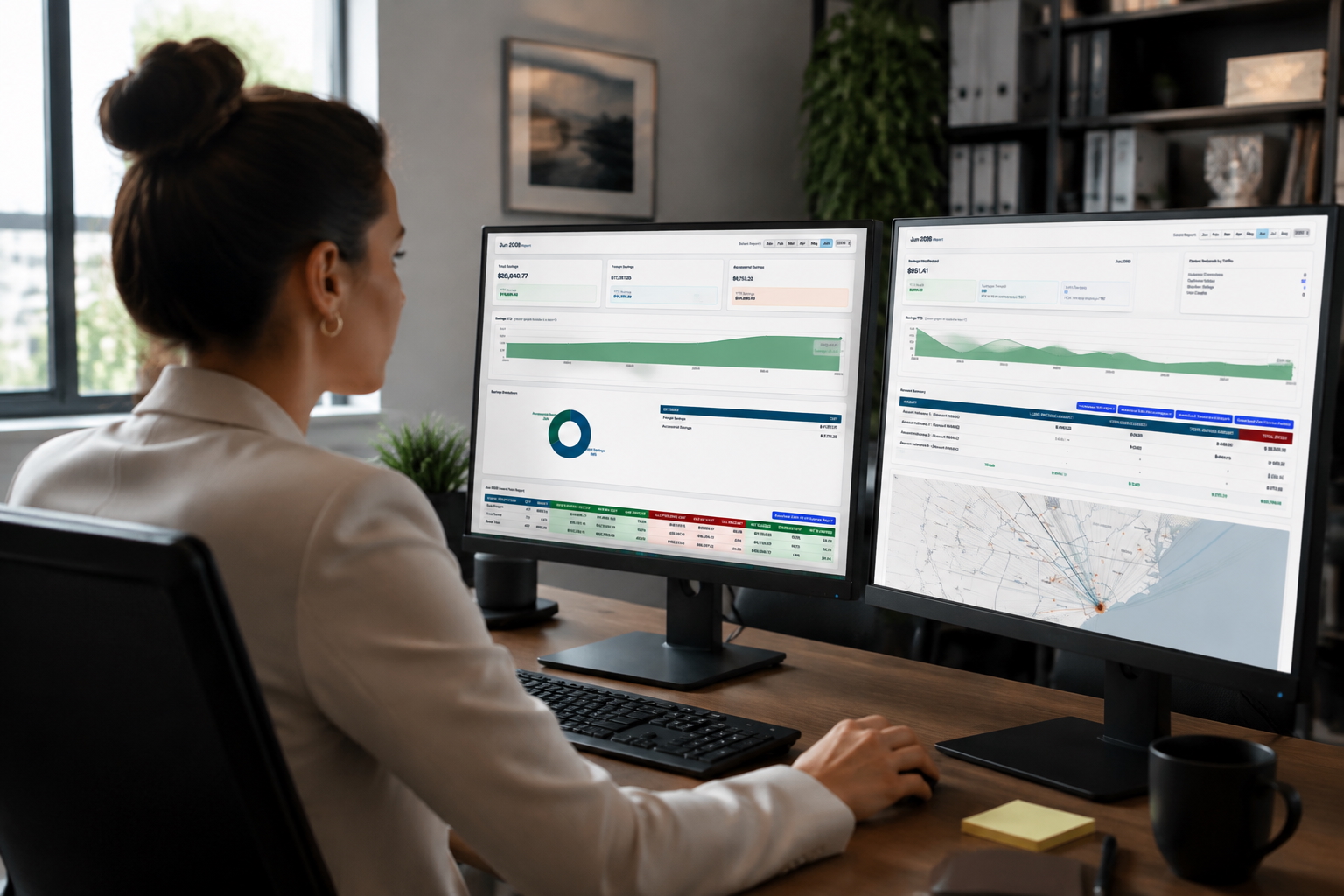
Every company that ships with UPS or FedEx has one thing in common: they are managing thousands of individual shipping transactions every year.
Each shipment creates data. Each invoice contains details. Each delivery has performance expectations attached to it.
The challenge is that most companies do not have the time or resources to review every shipment and determine whether everything happened exactly as expected.
That is where a parcel audit comes in.
A parcel audit helps companies analyze their shipping data, identify opportunities for recovery, and gain better visibility into carrier performance and shipping costs.
While many companies think of parcel audits as simply a way to recover late-delivery refunds, the most valuable programs provide something much broader: a clearer understanding of what is happening across the entire shipping operation.
What Is a Parcel Audit?
A parcel audit is the process of reviewing carrier shipment data and invoices to identify opportunities for recovery, improvement, and better decision-making.
For companies shipping with carriers like UPS and FedEx, a parcel audit examines shipment details against carrier commitments, billing information, and service performance.
The goal is simple:
Make sure companies are receiving the service they paid for and recovering savings when opportunities exist.
Because shipping networks are complex, even companies with strong internal processes can miss opportunities hidden inside thousands of transactions.
Why Companies Miss Shipping Savings
Most shipping departments are focused on getting packages delivered.
That makes sense. Customers need their orders. Operations teams need reliable transportation. Finance teams need accurate expenses.
But shipping data contains a tremendous amount of detail that is difficult to analyze manually.
Common challenges include:
- Thousands of shipments moving every month
- Multiple service levels and delivery commitments
- Complex carrier pricing structures
- Changing carrier policies and requirements
- Limited visibility into trends over time
A company may have a strong shipping operation and still miss savings simply because the volume of data makes detailed review impractical.
How a Parcel Audit Works
A professional parcel audit follows a structured process designed to turn complex shipping data into actionable information.
1. Data Collection
The process begins by collecting the necessary shipment and invoice information from the carrier.
This provides the foundation needed to analyze actual shipping activity and identify opportunities.
2. Shipment Analysis
Each shipment is reviewed against applicable carrier requirements and performance expectations.
This analysis looks for areas where the shipment activity does not align with what should have occurred.
3. Recovery Opportunities Are Identified and Recovered
When eligible savings are identified, they are recovered for the client.
This allows companies to capture value from their existing shipping activity without changing their operations or adding additional workload internally.
4. Reporting and Visibility
A strong parcel audit program does more than provide a recovery amount.
It provides visibility into trends, performance, and opportunities across the shipping network.
This allows companies to better understand what is happening, not just what was recovered.
Why a Parcel Audit Is About More Than Refunds
Refund recovery is an important part of a parcel audit, but it is only one piece of the value.
The larger opportunity is understanding shipping performance over time.
A quality parcel audit can help companies answer questions like:
- Are delivery trends changing?
- Are certain services performing differently than expected?
- Are shipping costs increasing because of operational changes?
- Are there patterns that should influence future decisions?
Recovery identifies past opportunities.
Visibility helps prevent future ones.
Parcel Audit vs. Shipping Cost Optimization
Parcel audits and shipping cost optimization are closely connected, but they solve different problems.
A parcel audit focuses on analyzing shipments that have already occurred and identifying opportunities for recovery and insight.
Shipping cost optimization focuses on improving future spending by analyzing pricing structures, shipping behavior, and carrier agreements.
The strongest approach combines both.
Recovery helps identify what happened.
Optimization helps determine what should happen next.
Together, they create a complete view of shipping performance and cost.
Why Visibility Matters After the Audit
A one-time parcel audit can identify opportunities, but shipping environments continue to change.
Carrier pricing evolves. Shipping patterns shift. Customer expectations change.
That is why ongoing visibility matters.
Companies that regularly monitor shipping performance can identify trends earlier, understand cost changes faster, and make better decisions with more confidence.
The goal is not simply to find savings once.
The goal is to build a process that continuously improves shipping management.
Choosing the Right Parcel Audit Partner
Not all parcel audit programs provide the same level of insight.
A strong partner should provide more than a recovery number.
Companies should look for:
- Clear reporting
- Easy-to-understand insights
- Visibility into shipping trends
- Experience with complex carrier data
- A process that reduces internal workload
The best parcel audit relationships help companies understand their shipping operation while recovering savings that may otherwise go unnoticed.
Closing Thought
Shipping costs are too important to manage with assumptions.
Every shipment creates data. Every invoice tells a story. Every delivery provides insight into how a shipping network is performing.
A parcel audit helps companies uncover savings, improve visibility, and make smarter decisions about transportation spend.
The real value is not just recovering what was missed.
It is understanding what the data is telling you.
More of our interesting
blogs




.png)
© 2003–2026 Recovery Control Systems, LLC. All rights reserved. RCS™, RCS Audit™, and the RCS logo are trademarks of Recovery Control Systems, LLC. All other trademarks are the property of their respective owners. RCS Audit™ and Recovery Control Systems, LLC are not affiliated with, sponsored by, or endorsed by any carrier or platform mentioned on this site.