
2026 Demands a New Way to Manage Shipping Spend
For years, most companies treated shipping costs as something you locked in once and revisited later. You negotiated a carrier contract, applied the discounts, and assumed the structure would hold until the next negotiation cycle.
That approach no longer works.
As we move into 2026, shipping costs are no longer static. They are dynamic, volatile, and constantly influenced by network conditions, service performance, and evolving carrier policies. The companies that succeed this year will not necessarily be the ones with the best contract on paper. They will be the ones who see change early and respond quickly.
The End of “Set It and Forget It”
Carrier contracts used to age slowly. Today, they begin aging almost immediately after they are signed.
The environment surrounding those agreements now changes faster than the agreements themselves. Shipping mix evolves as customer expectations change. Surcharges rise and expand mid-cycle. Network congestion fluctuates week to week. Delivery performance has a direct impact on real cost, and refund eligibility rules tighten or pause with little visibility.
A contract signed last year may still be valid, but it may no longer reflect how your business actually ships today. That gap between contract assumptions and real-world behavior is where costs begin to drift.
Shipping Spend Is Now a Living System
In 2026, shipping spend behaves less like a fixed expense and more like a living system.
Small changes accumulate every week. A higher percentage of residential deliveries, subtle shifts between Ground and expedited services, surcharges crossing new thresholds, and fluctuations in on-time performance all quietly reshape true cost per shipment. None of these changes are dramatic on their own, but together they create material variance over time.
Without consistent visibility, companies rarely notice this drift until budgets no longer align with expectations.
Why Recovery Alone Isn’t Enough
Late-delivery refunds remain important. They recover money that should never have been lost in the first place. However, refunds only address what has already happened.
They do not explain why performance trends are changing, where reliability is weakening, or how refund eligibility itself is evolving. Weekly recovery reporting provides something more valuable than credits alone. It provides context. Patterns emerge early enough to understand what is shifting inside the shipping operation, not weeks later when the opportunity to act has passed.
That awareness is what allows organizations to adapt rather than react.
Why Contract Optimization Without Monitoring Falls Short
On the other side of the equation, pricing analysis and contract optimization are critical, but they are only as strong as the data behind them.
Negotiating without current performance insight often leads to incentives that no longer match actual shipping behavior, discounts applied to the wrong services, and missed leverage tied directly to real-world delivery performance. Agreements may look strong on paper while quietly underperforming in practice.
Contracts should reflect reality, not assumptions. Weekly delivery data provides that reality. Pricing analysis turns it into leverage.
The 2026 Model: Continuous Visibility and Continuous Adjustment
The companies that will control shipping spend in 2026 will not rely on single events, such as a one-time audit or a once-a-year negotiation.
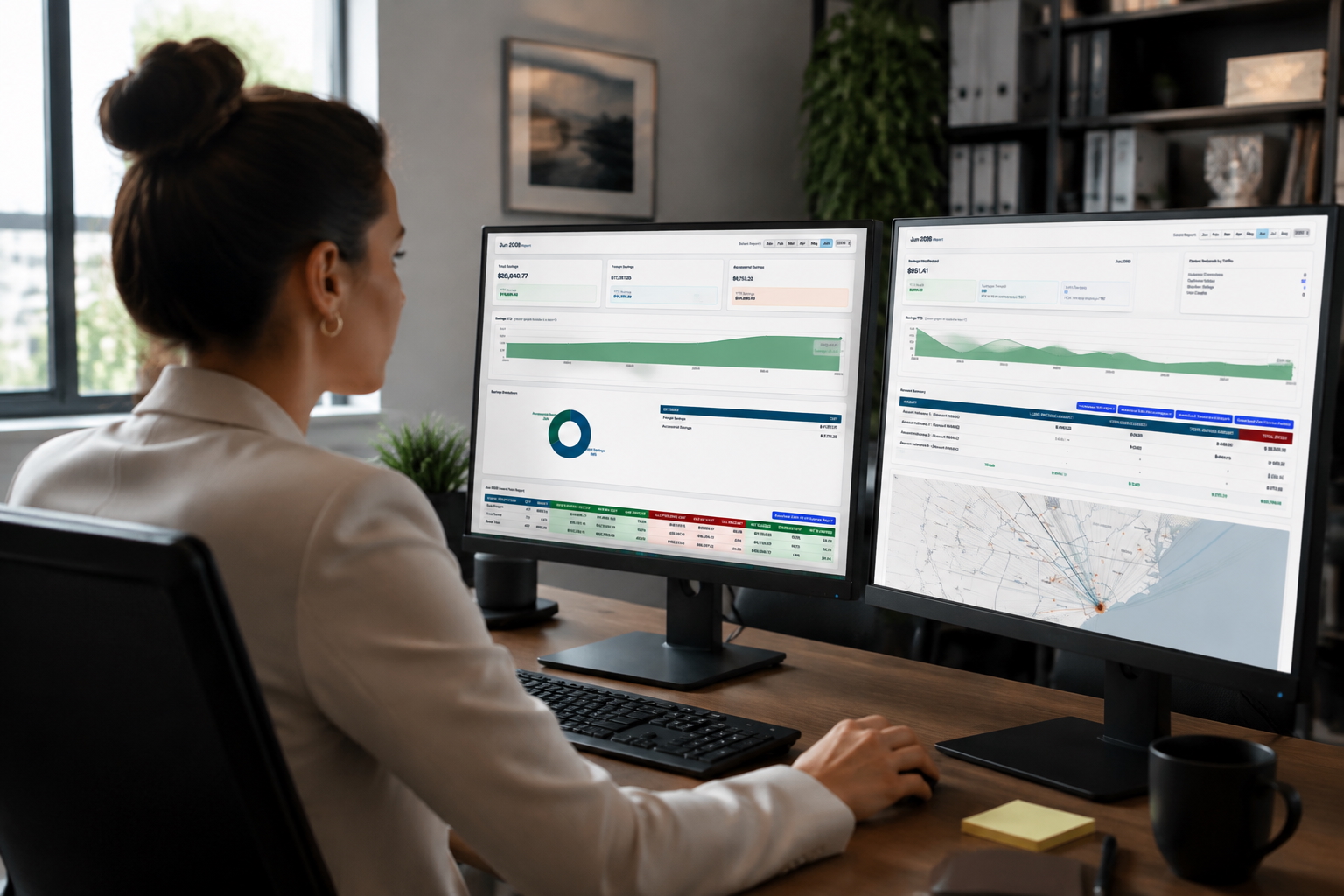
Instead, they will operate on a continuous cycle. Weekly performance and refund activity are monitored. Pricing structures are analyzed against actual shipping behavior. Cost drift is identified early, and strategy is adjusted before losses compound.
This approach is not about chasing perfection. It is about reducing surprise. When visibility becomes continuous, decisions become calmer, faster, and far more effective.
What This Means Going Forward
Shipping costs will continue to evolve regardless of contract terms or carrier promises.
The real question in 2026 is not whether change will happen, but whether you will see it early enough to respond. The organizations that win will not necessarily ship faster or cheaper than everyone else. They will simply understand their shipping reality better, week by week rather than quarter by quarter.
That is the difference between reacting to costs and actually CONTROLLING them.
More of our interesting
blogs




.png)
© 2003–2026 Recovery Control Systems, LLC. All rights reserved. RCS™, RCS Audit™, and the RCS logo are trademarks of Recovery Control Systems, LLC. All other trademarks are the property of their respective owners. RCS Audit™ and Recovery Control Systems, LLC are not affiliated with, sponsored by, or endorsed by any carrier or platform mentioned on this site.